 by
by Introduction: When the Face Becomes a Cultural Debate
There was a time when aging was simply understood as a biological reality—wrinkles as evidence of lived experience, lines as a map of time. Today, in many parts of the world, aging has become something far more contested: a visual problem to be managed, delayed, or even erased. Botox and dermal fillers sit at the center of this transformation, not merely as cosmetic procedures, but as cultural artifacts embedded in economics, gender expectations, media aesthetics, and the politics of visibility.
What makes injectables culturally significant is not just their medical function—temporarily relaxing muscles or restoring volume—but their symbolic weight. They sit at the intersection of empowerment and pressure, autonomy and conformity, self-care and surveillance. In glossy advertising, they promise “confidence.” On social media, they promise “refinement.” In workplaces and entertainment industries, they increasingly operate as unspoken requirements for staying visually “relevant.”
The cultural politics of Botox and fillers are therefore not about whether people should or should not use them. That framing is too simplistic. The deeper question is: what kind of world makes these interventions feel necessary in the first place—and who benefits from that necessity?
This article explores Botox and fillers as part of a global aesthetic system—one that is shaping identity, labor, gender performance, and emotional self-perception in ways that are both subtle and profound.
From Medical Innovation to Aesthetic Currency
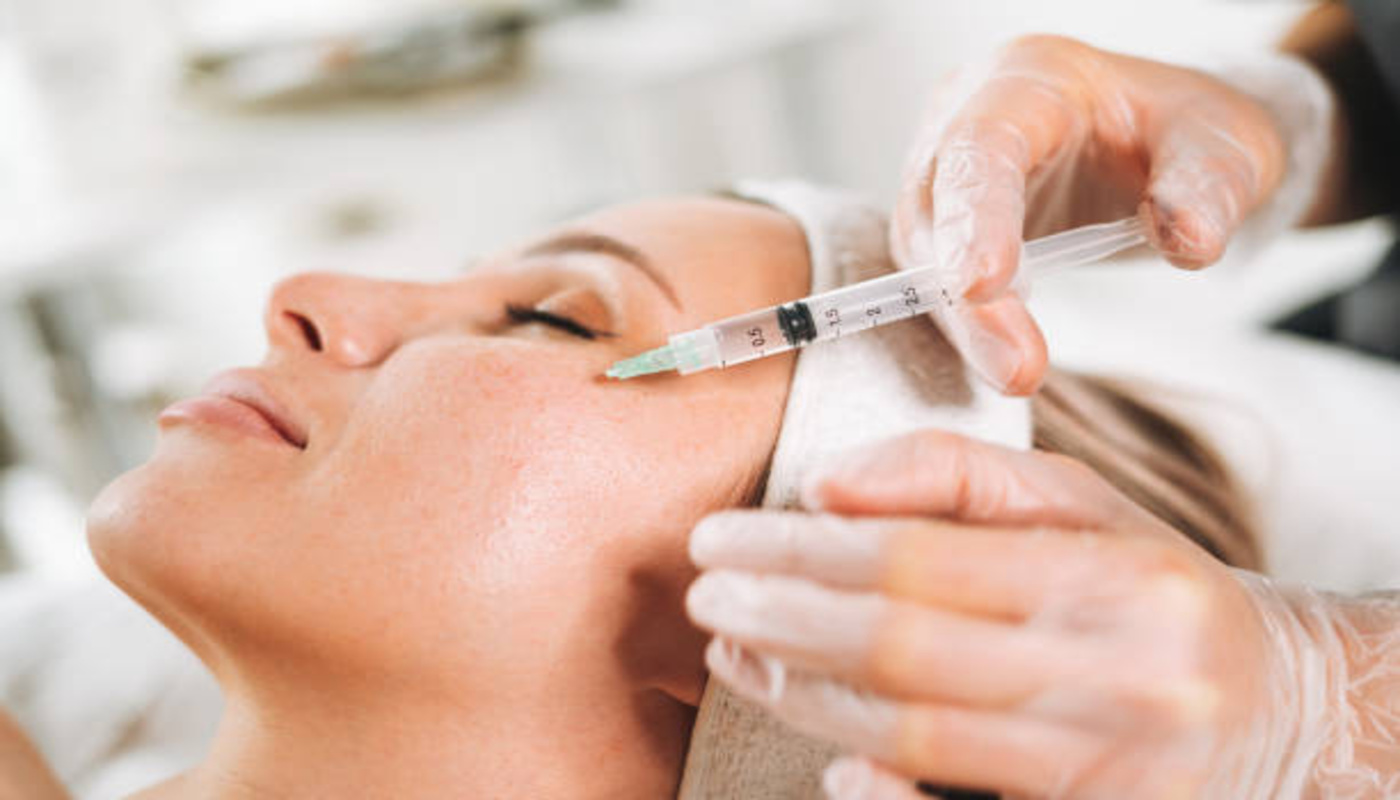
Botulinum toxin, later branded as Botox for cosmetic use, did not begin as a beauty product. It emerged in medical contexts treating muscle disorders, migraines, and neurological conditions. Dermal fillers similarly evolved from reconstructive medicine—used to restore facial volume after injury or illness.
The shift from therapeutic use to cosmetic normalization marks a critical cultural transition. At some point in the late 20th century, particularly in Western beauty industries, aging faces were reframed not as natural variation but as “correctable” surfaces. Pharmaceutical aesthetics entered mainstream beauty culture, and with them came a new logic: the face is not fixed; it is editable.
This editability introduced a subtle but powerful idea: appearance is no longer just maintained through skincare or grooming—it can now be engineered in real time.
The democratization narrative often associated with injectables is complex. On one hand, procedures became more accessible beyond elite Hollywood circles. On the other, they became normalized expectations in industries where appearance functions as economic capital—media, hospitality, sales, influencer economies, and increasingly corporate environments.
In this sense, Botox and fillers are not merely beauty tools. They are part of a broader shift toward what scholars often describe as “aesthetic labor”—the requirement to actively maintain a visually optimized self in professional and social contexts.
Aesthetic Capitalism and the Monetization of the Face
The rise of injectables cannot be separated from what can be called aesthetic capitalism: an economic system in which appearance becomes continuously optimized, monetized, and compared.
Social media platforms intensify this system. Instagram, TikTok, and filtered video environments produce an endless stream of highly curated faces—smooth, lifted, symmetrical, and often indistinguishable in texture. These visual environments subtly recalibrate what people perceive as “normal.”
Within this ecosystem, Botox and fillers function as tools of competitive visual alignment. Not necessarily to achieve extreme transformation, but to maintain compatibility with digitally enhanced standards.
The key cultural shift here is not just enhancement—it is maintenance under comparison. Where earlier cosmetic ideals aimed at glamour or beauty, today’s aesthetic pressure is often about preventing perceived decline.
Filters play a crucial role in this dynamic. When a filtered version of the self becomes the most frequently seen version, unfiltered reality begins to feel like a deviation. Injectables then enter the space between digital illusion and physical reality, attempting to narrow the gap.
This creates a feedback loop:
- Filters normalize smoother faces
- Smooth faces normalize injectables
- Injectables reinforce filtered aesthetics
In this loop, beauty becomes less about expression and more about alignment with an increasingly artificial visual baseline.
Gender, Age, and the Unequal Politics of Visibility
While Botox and fillers are used across genders, their cultural burden is not distributed equally. Women, particularly, occupy the center of injectable culture due to long-standing societal expectations around youthfulness and aesthetic maintenance.
Aging in women has historically been policed more visibly than aging in men. Wrinkles on male faces are often coded as “distinguished,” while in women they are more frequently read as “decline.” This asymmetry has not disappeared in modern culture—it has simply become more technologically mediated.
Injectables, therefore, exist within a gendered economy of time. They function as tools for negotiating visibility in a world where youth is often equated with desirability, relevance, and even professional opportunity.
However, reducing injectables to oppression alone misses another dimension: agency. Many individuals describe cosmetic procedures as a form of control—an ability to reconcile internal identity with external perception. The complexity lies in the fact that autonomy and pressure often coexist.
This duality is especially visible in industries where appearance is part of labor. In entertainment, media, and influencer economies, the face is not just personal—it is a brand asset. The “choice” to undergo procedures is often made within environments where alternatives are limited.
Thus, Botox and fillers sit in a paradox: they can be experienced simultaneously as empowerment and adaptation to constraint.
Global Aesthetics: How Culture Shapes Cosmetic Norms
The cultural politics of injectables vary significantly across regions, shaped by local beauty ideals, medical accessibility, and media influence.
South Korea: Precision and Preventive Aesthetics
In South Korea, aesthetic medicine is deeply integrated into mainstream beauty culture. Rather than being seen as dramatic transformation, procedures are often framed as refinement. The emphasis tends to be on subtle enhancement—smaller adjustments that align with a polished, youthful aesthetic standard.
Preventive treatments are also common, where younger individuals begin using injectables earlier to delay visible aging. This reflects a broader cultural orientation toward maintenance and early intervention.
United States and Western Europe: Individualism and Optimization
In the U.S. and parts of Europe, injectables are often framed through narratives of self-care and personal empowerment. The language of “tweakments” (small tweaks + treatments) has emerged to normalize subtle cosmetic changes.
At the same time, Western celebrity culture heavily influences perception. Public figures have increasingly spoken about cosmetic procedures in general terms, contributing to gradual destigmatization, though often without full transparency about timing or extent.
Middle East: Luxury, Glamour, and Social Visibility
In parts of the Middle East, aesthetic enhancement is often tied to luxury culture and high-fashion beauty standards. Clinics frequently market injectables as part of a broader beauty regimen aligned with glamour aesthetics.
However, cultural diversity across the region means motivations vary widely—from personal preference to social media influence to professional image management.
South Asia: Emerging Markets and Aspirational Beauty
In South Asia, including Pakistan, cosmetic procedures are increasingly visible in urban centers. Social media exposure plays a major role in shaping aspirational aesthetics, particularly among younger populations.
Here, injectables often intersect with broader cultural negotiations around modernity, professionalism, and global beauty standards. The tension between traditional beauty norms and globalized aesthetic ideals creates a layered and evolving landscape.
Psychological Dimensions: Control, Anxiety, and the Edited Self
At the psychological level, Botox and fillers often function as tools for managing perception—both self-perception and social perception.
One of the most significant psychological shifts linked to injectables is the increasing separation between internal identity and external appearance. Many individuals report that cosmetic treatments help align how they feel internally with how they are perceived externally. For others, the process can introduce new forms of monitoring—tracking movement, symmetry, or perceived “maintenance cycles.”
The rise of “preventive Botox” has also introduced a new temporal psychology: aging is no longer something that happens visibly and then is addressed. Instead, it is something anticipated and managed in advance.
This anticipatory logic can reduce anxiety for some individuals while increasing it for others. When maintenance becomes continuous, the absence of treatment can feel like decline, even when no significant change is present.
The psychological experience of injectables is therefore not uniform. It is shaped by personality, social environment, financial access, and exposure to aesthetic comparison systems.
Celebrity Culture and the Visibility of Enhancement
Celebrity culture plays a central role in shaping how injectables are perceived. Public figures in entertainment and media industries have contributed to shifting conversations around cosmetic procedures, sometimes normalizing openness about enhancement, and at other times reinforcing ambiguity.
For example, several high-profile personalities have spoken in interviews and public forums about undergoing cosmetic treatments, contributing to broader destigmatization. However, celebrity aesthetics are often mediated through lighting, filters, professional styling, and controlled public appearances, making direct comparisons to everyday experiences misleading.
The influence of celebrity culture is less about explicit endorsement and more about visual repetition. When certain facial aesthetics become consistently visible in media ecosystems, they gradually define what is considered “natural-looking beauty,” even when that appearance is partially or fully constructed through cosmetic intervention.
This creates a cultural paradox: the more “natural” a celebrity look appears, the more likely it is to be the result of multiple aesthetic technologies working in combination.
The Inclusivity Debate: Choice, Pressure, and the Limits of Acceptance
Within body inclusivity discourse, injectables present one of the most complex ethical questions. Should inclusivity embrace all forms of body modification as valid expressions of autonomy? Or should it critique the systems that make such modifications feel necessary?
A purely celebratory stance risks ignoring structural pressures: ageism, gender inequality, media distortion, and algorithmic beauty standards. A purely critical stance risks dismissing individual agency and lived experience.
A more nuanced approach recognizes that inclusivity is not about prescribing what people should do with their bodies, but about interrogating the conditions under which choices are made.
If Botox and fillers are framed as “freedom,” it is worth asking: freedom from what—and freedom toward what?
If they are framed as “pressure,” it is also worth asking: who experiences that pressure most intensely, and why?
Inclusivity, in this context, becomes less about judgment and more about expanding the range of acceptable appearances without requiring modification as entry criteria for social belonging.
Ethics, Industry Influence, and the Aesthetic Economy
The cosmetic industry is not a passive service provider—it actively shapes demand through marketing, social media presence, influencer partnerships, and clinic aesthetics.
Before-and-after imagery, while effective for demonstrating results, also constructs a narrow visual narrative of “improvement.” The implicit message is often linear: one state is less desirable, the other more acceptable.
Ethical questions arise around consent and expectation-setting. When aesthetic enhancement is normalized in environments saturated with edited imagery, individuals may not fully perceive the baseline from which comparisons are drawn.
There is also the question of accessibility. As procedures become more normalized, they can also become socially expected, creating pressure to participate in order to maintain professional or social competitiveness.
The Future of Injectables: Normalization, Resistance, and Reimagination
Looking forward, Botox and fillers are likely to remain central to aesthetic culture, but their meaning may continue to evolve.
Several possible trajectories are emerging:
- Hyper-normalization: where injectables become as routine as skincare
- Transparency movements: where individuals more openly disclose cosmetic interventions
- Aesthetic fatigue: where audiences begin valuing texture, age, and visible individuality again
- Regulatory shifts: where marketing and digital alteration disclosures become more structured
A particularly interesting cultural development is the slow re-emergence of “texture appreciation”—a growing interest in skin that looks human rather than algorithmically smooth. This does not reject cosmetic enhancement, but challenges the idea that there is a single acceptable aesthetic outcome.
In this future, inclusivity may not mean rejecting Botox or fillers, but decentering them as the default path to visual legitimacy.
Algorithmic Beauty and the Digital Face Economy
One of the most significant but often underexamined forces shaping the rise of Botox and fillers is the algorithmic restructuring of beauty itself. Social media platforms do not simply reflect aesthetic preferences—they actively organize them. Facial features that perform well in engagement-driven systems tend to be those that read clearly at a glance: smooth skin, lifted contours, high symmetry, and high contrast definition. These qualities are not inherently “more beautiful” in any universal sense, but they are highly legible to machine vision systems trained on patterns of attention. Over time, this creates what can be called a digital face economy, where visibility is tied to conformity with algorithmically amplified aesthetics. In such a system, injectables become less about personal preference and more about compatibility with a visual language optimized for screens.
This shift also changes how people experience their own reflection. Front-facing cameras, real-time filters, and edited video environments create a constant comparison loop between lived appearance and enhanced representation. The face becomes something that must remain “performable” under digital scrutiny. Botox and fillers enter this ecosystem as stabilizers—tools that reduce perceived asymmetry or movement that might disrupt the smooth consistency favored by filtered visuals. Importantly, this is not driven solely by explicit demand but by repeated exposure. When millions of images normalize a specific facial aesthetic, deviation begins to feel like absence rather than difference. The cultural result is a narrowing of acceptable facial variation, where aging, texture, and expression are subtly repositioned as visual noise rather than identity markers.
The Quiet Return of Facial Diversity and Post-Perfection Aesthetics
Despite the dominance of smooth, optimized facial aesthetics, there are emerging cultural countercurrents that challenge the idea of a singular “ideal” face. Across fashion, independent media, and certain segments of digital culture, there is a gradual re-emergence of what can be described as post-perfection aesthetics—a visual preference for individuality, texture, and expressive variation. This does not necessarily reject cosmetic enhancement, but it questions the expectation that faces must conform to a standardized, frictionless appearance. In editorial photography and niche creative communities, visible expression lines, asymmetry, and natural movement are increasingly being reframed not as flaws but as elements of character. This shift suggests a slow cultural fatigue with hyper-uniform beauty, where too much smoothness begins to read as artificial rather than aspirational.
At the same time, this reappreciation of facial diversity exists alongside the continued expansion of injectable culture, creating a paradoxical aesthetic landscape. Both trends coexist: one pushing toward refinement and maintenance, the other toward authenticity and variation. This tension reflects a broader cultural uncertainty about what it means to age visibly in a digital world. Instead of a linear movement toward or away from procedures, society appears to be negotiating multiple beauty logics simultaneously. In this negotiation, the future of Botox and fillers may not be defined by disappearance or dominance, but by differentiation—where some spaces prioritize optimization while others actively reclaim imperfection as a form of visual truth.
Conclusion: Beyond the Surface of Smoothness
The cultural politics of Botox and fillers cannot be reduced to a simple moral divide between natural and artificial beauty. Instead, they reveal how deeply appearance is embedded in systems of labor, gender, technology, and global media influence.
What appears on the surface of the skin is increasingly shaped by invisible forces: algorithms that prioritize certain faces, industries that monetize youthfulness, and cultural narratives that equate refinement with worth.
Yet within this landscape, individuals continue to negotiate meaning, autonomy, and identity in deeply personal ways. Some find empowerment in aesthetic modification; others find pressure; many experience both at once.
Perhaps the most important shift is not whether injectables are “good” or “bad,” but whether society can expand its definition of beauty beyond maintenance and correction. A truly inclusive cultural framework would allow Botox and fillers to exist without allowing them to define the boundaries of acceptance.
In the end, the question is not simply what we do to our faces—but what our culture asks our faces to represent.
Sources: The Lancet, American Academy of Dermatology, British Journal of Dermatology, Journal of Aesthetic Nursing, Vogue, The New York Times, The Guardian, BBC, Harvard Business Review