 by
by Introduction: When Intimacy Becomes a Public Performance
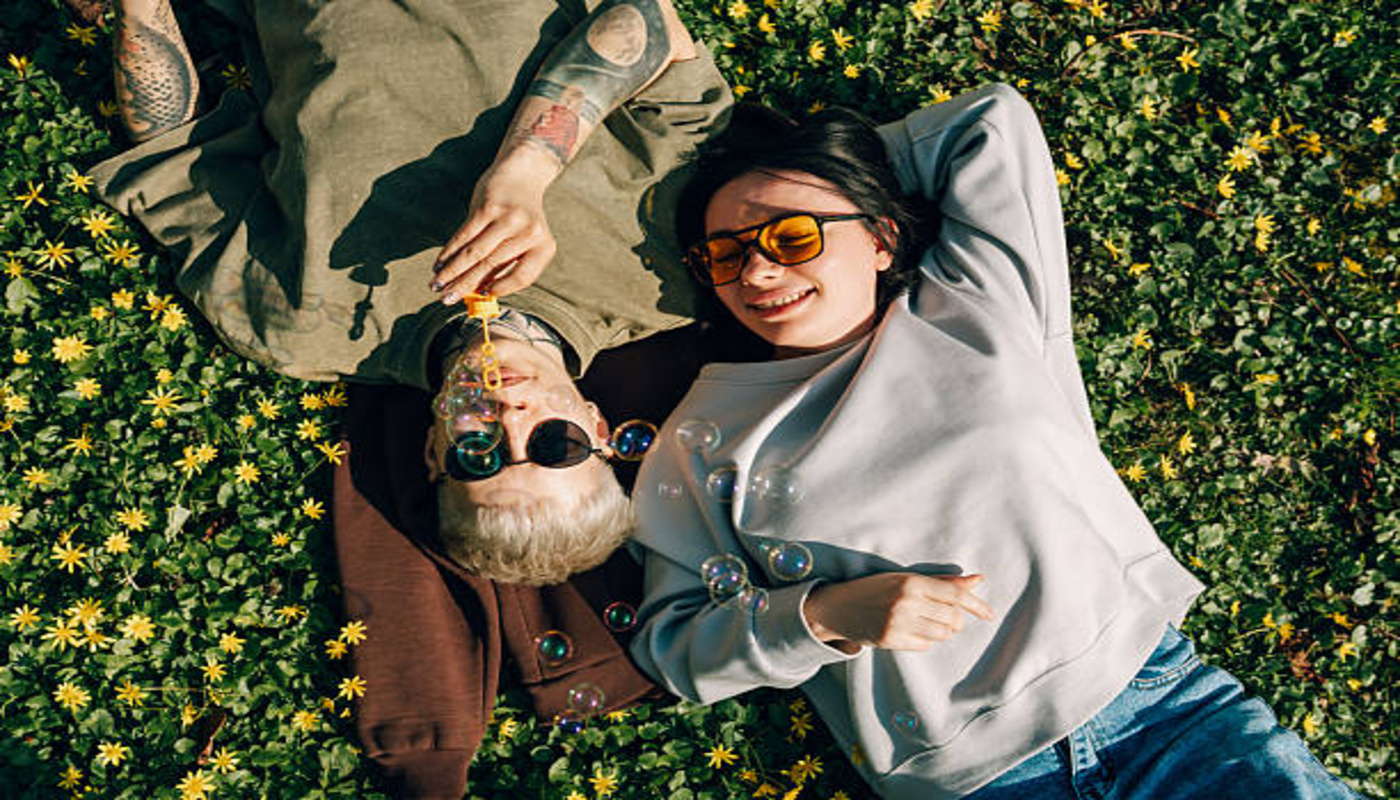
Scroll through TikTok for just a few minutes, and you’ll likely encounter a familiar pattern: a couple laughing in matching outfits, recreating a viral dance, or exchanging affectionate glances in perfectly lit frames. These moments—often framed as spontaneous and authentic—are, in reality, highly curated performances designed for visibility, engagement, and emotional resonance. What makes these videos so compelling is not just the relationship itself, but the illusion of effortless harmony, physical attraction, and aesthetic compatibility between two people.
Over the past few years, TikTok couples have become cultural touchstones, shaping how intimacy is perceived in the digital age. They embody a modern fantasy: love that is visible, aesthetic, and aspirational. Yet beneath the charm and relatability lies a more complex cultural phenomenon—one that subtly reinforces body insecurity, comparison culture, and internalized beauty hierarchies.
This article explores how TikTok couples influence body image perceptions across diverse audiences, particularly focusing on how their curated representations contribute to rising body insecurity. Rather than reducing this phenomenon to individual behavior, we examine the broader systems of social validation, algorithmic reinforcement, and cultural ideals that shape these interactions.
The Rise of the “Couple Aesthetic” as a Cultural Ideal
TikTok couples do more than showcase relationships—they create a visual language of love that merges romance with aesthetic appeal. The concept of the “couple aesthetic” has become a dominant force, where physical compatibility is often implied through visual harmony: coordinated outfits, similar body types, synchronized movements, and complementary facial features.
This phenomenon is not entirely new. Popular culture has long romanticized visually “compatible” couples, but TikTok intensifies this by making such representations constant, global, and algorithmically amplified. Unlike traditional media, where celebrities were the primary reference points, TikTok democratizes visibility—any couple can become aspirational if their content resonates with viewers.
However, this democratization comes with unintended consequences. As users consume a steady stream of visually cohesive couples, they may internalize subtle messaging: that attraction is not just emotional, but also deeply tied to physical appearance alignment. This reinforces the idea that relationships should look a certain way, often privileging slim, conventionally attractive, and symmetrical body types.
The Commercialization of Couple Identity and Its Impact on Body Perception
Another layer shaping body insecurity through TikTok couples is the commercialization of their identity. As couples grow in popularity, many transition from casual creators into influencers collaborating with fashion, fitness, beauty, and lifestyle brands. This shift subtly transforms their relationship into a marketable “brand,” where visual appeal becomes a form of capital. The bodies of both partners—how they dress, move, and present themselves—become part of a curated package designed to attract audiences and advertisers alike. This commodification does not inherently negate authenticity, but it does introduce pressure to maintain a consistent aesthetic that aligns with market expectations.
For viewers, this commercial layer can intensify comparison. When couples are seen promoting products related to beauty, fitness, or appearance enhancement, it can reinforce the idea that their attractiveness is both intentional and attainable through specific consumer behaviors. This creates a feedback loop where body image becomes tied not just to self-worth, but also to consumption. In such a system, insecurity is not incidental—it becomes a driver of engagement, encouraging audiences to aspire, purchase, and emulate. Over time, this may deepen the internalization of the belief that physical appearance must be continuously optimized, not just for personal confidence, but for social and romantic success in a highly visible, digitally mediated world.
The Subtle Power of “Couple Goals” Narratives in Shaping Self-Perception
The phrase “couple goals” has become a cultural shorthand across TikTok, often used in captions, comments, and hashtags to describe couples perceived as ideal. While seemingly harmless, this narrative carries powerful implications for body image and relational expectations. When audiences label certain couples as “goals,” they are not only expressing admiration but also implicitly endorsing a specific standard—one that often includes physical symmetry, aesthetic harmony, and visible attraction. These repeated affirmations reinforce a narrow visual template for what an ideal couple should look like.
For individuals consuming this content, especially younger audiences, these narratives can shape subconscious benchmarks. They may begin to associate desirability with visual alignment between partners, internalizing the idea that a “good” relationship should be aesthetically pleasing as well as emotionally fulfilling. This can lead to self-comparison not only as individuals but as potential partners, questioning whether their own bodies—or their partner’s—fit into these perceived ideals. In some cases, this can influence dating behavior, where individuals may feel pressure to “match” with partners who align with their own appearance to avoid judgment. While this is not always conscious, the repetition of “couple goals” content contributes to a cultural script that equates love with visual perfection, subtly reinforcing body insecurity under the guise of aspiration and admiration.
Visibility, Marginalization, and the Politics of Representation
While TikTok offers unprecedented visibility for couples worldwide, this visibility is not evenly distributed. Algorithms tend to amplify content that aligns with dominant aesthetic norms, which often marginalizes couples who do not fit these standards. This includes individuals with larger bodies, visible disabilities, darker skin tones, or non-conforming gender expressions. As a result, many users may rarely encounter couples that reflect their own lived realities, leading to a sense of invisibility or underrepresentation.
This lack of representation can have a profound psychological impact. When individuals do not see bodies like theirs represented in romantic contexts, it can reinforce the belief that they are less likely to be desired, loved, or celebrated. This is not necessarily a reflection of reality, but rather of visibility bias—what is shown frequently is often perceived as more “normal” or desirable. Over time, this can contribute to internalized stigma, where individuals begin to question their own worth based on what they do not see represented in media.
However, the platform also holds potential for disruption. Creators who challenge these norms are slowly reshaping the landscape, introducing diverse representations of love, intimacy, and attraction. These alternative narratives are crucial in counteracting the dominance of idealized imagery, offering viewers a broader and more inclusive understanding of relationships. The politics of representation on TikTok thus remain in flux—caught between algorithmic amplification of dominant ideals and the growing presence of diverse voices pushing for visibility and change.
Reclaiming Body Narrative in the Age of Performative Intimacy
As TikTok couples continue to shape cultural perceptions of love and beauty, there is an increasing need to reclaim individual body narratives from the influence of performative intimacy. In a space where relationships are often displayed for validation, it becomes essential to distinguish between curated visibility and lived experience. Not every relationship is—or needs to be—visually optimized for public consumption. Similarly, not every body needs to conform to aesthetic trends to be worthy of love or attention.
Reclaiming body narrative involves shifting focus from external validation to internal understanding. It encourages individuals to view their bodies not as objects of comparison, but as lived experiences shaped by personal history, culture, and identity. This perspective challenges the assumption that attractiveness must be validated through digital metrics, instead emphasizing self-acceptance and authenticity. For audiences, this may also mean engaging more critically with content—questioning the context behind what is presented and recognizing the labor, editing, and intention behind each post.
At a broader cultural level, reclaiming body narrative requires platforms, creators, and audiences to collectively value diversity over uniformity. It involves amplifying voices that challenge dominant aesthetics and fostering environments where vulnerability and imperfection are not only accepted but celebrated. In doing so, TikTok can evolve from a space that subtly reinforces insecurity into one that actively supports body inclusivity. The future of digital intimacy depends on this shift—one that honors both the beauty of connection and the diversity of human bodies without reducing either to a performance.
Algorithmic Amplification and the Illusion of Normativity
TikTok’s algorithm plays a critical role in shaping what users see—and therefore, what they perceive as “normal.” Content that receives high engagement is more likely to be pushed to wider audiences, creating feedback loops that prioritize specific visual and emotional cues.
Couples who fit mainstream beauty standards often receive more engagement due to broader cultural biases. As a result, their content is more likely to appear on users’ “For You” pages, reinforcing a narrow spectrum of what couples “should” look like.
This leads to what media scholars describe as “algorithmic normativity”—the idea that repeated exposure to certain types of content creates a perceived norm, even if that representation is statistically unrepresentative of the broader population.
For individuals who do not see themselves reflected in these couples, the effect can be subtle but powerful. The absence of diverse body types in highly visible relationships can lead to internalized comparisons, where users measure their own bodies against curated ideals rather than real-world diversity.
Emotional Labor and Aesthetic Pressure in Digital Relationships
Being part of a TikTok couple often involves more than just sharing moments—it requires maintaining an image. This includes not only relationship dynamics but also physical appearance, posture, and visual presentation.
This constant self-monitoring can create a form of emotional labor, where individuals feel pressure to present themselves in ways that align with audience expectations. Lighting, angles, and body positioning become tools for shaping perception, but they also reinforce awareness of how bodies are viewed and judged.
In some cases, this pressure extends beyond the screen. Couples may find themselves consciously or unconsciously adjusting their behaviors, fitness routines, or clothing choices to align with the “brand” they’ve created online. This blending of personal identity and digital persona can blur the line between authentic self-expression and performative aesthetics.
Importantly, this dynamic does not affect all couples equally. Those whose bodies already align with dominant beauty norms may experience reinforcement of positive attention, while others may feel increased pressure to conform to these norms in order to achieve similar visibility or validation.
The Psychological Impact on Viewers: Comparison, Aspiration, and Distortion
One of the most significant impacts of TikTok couples lies in how viewers engage with their content. For many users, especially younger audiences, these videos serve as reference points for both relationships and body image.
Social comparison theory helps explain this phenomenon. When individuals observe others—particularly those perceived as similar or aspirational—they naturally compare themselves. On TikTok, where content is highly curated and filtered, these comparisons are often skewed toward idealized representations.
When viewers repeatedly encounter couples who appear physically “perfect” together, it can lead to internalized beliefs such as:
- “I need to look a certain way to be desirable.”
- “Relationships should look aesthetically pleasing.”
- “My body might not be enough.”
These thoughts can contribute to body dissatisfaction, particularly when users begin to measure themselves against filtered, edited, or highly curated content.
However, it’s important to recognize that the impact is not universal. Some viewers engage critically with content, understanding the performative nature of social media. Others actively seek diverse representations to counterbalance mainstream imagery. This diversity in reception highlights the nuanced ways in which media influences individuals differently based on their existing beliefs, experiences, and media literacy.
Cross-Cultural Perspectives: Global Beauty Standards in a Global App
TikTok is a global platform, and TikTok couples come from a wide range of cultural contexts. However, despite this diversity, there is a noticeable convergence toward Western beauty standards—particularly in terms of slimness, facial symmetry, and skin tone preferences.
In many regions, local creators adapt their content to align with what they perceive as globally appealing aesthetics. This creates a hybrid visual culture where local identities are blended with global trends, often leading to a dilution of traditional or regional beauty norms.
At the same time, there are counter-movements emerging across different countries. In parts of South Asia, Africa, and Latin America, creators are increasingly showcasing diverse body types, skin tones, and cultural expressions, challenging the dominance of a singular aesthetic ideal.
These cross-cultural tensions highlight a broader question: Is TikTok reinforcing a global beauty standard, or is it becoming a space where multiple standards coexist and compete?
The answer lies somewhere in between. While dominant aesthetics continue to receive disproportionate visibility, the platform’s global reach also allows marginalized voices to gain traction, slowly reshaping the visual landscape of digital intimacy.
The Role of Gender Dynamics in Body Insecurity
TikTok couples often reflect and reinforce existing gender dynamics, particularly in how bodies are presented and perceived.
Women in these videos are frequently subject to greater scrutiny in terms of appearance, with emphasis placed on facial beauty, body shape, and styling. Men, while not immune to appearance-based expectations, are often evaluated more on confidence, humor, or status.
This asymmetry can reinforce gendered body insecurity, where women feel greater pressure to conform to narrow beauty ideals, while men may internalize expectations around physique and masculinity.
However, these dynamics are evolving. Increasingly, male creators are also subject to aesthetic expectations, particularly in fitness-focused or lifestyle-oriented content. This shift reflects a broader cultural change in how masculinity is visually constructed and consumed.
Despite these changes, the underlying issue remains: TikTok couples often operate within frameworks that prioritize visual perfection, subtly reinforcing the idea that physical appearance is a key component of relational success.
The Illusion of Effortlessness and Its Hidden Costs
One of the defining characteristics of TikTok couples is their apparent ease. Their videos often convey a sense of natural chemistry, spontaneous joy, and effortless beauty.
However, this illusion of effortlessness is carefully constructed. Behind the scenes, content creation involves planning, editing, retakes, and sometimes professional-level production. Lighting is adjusted, angles are chosen strategically, and expressions are curated to convey a specific mood.
This disconnect between appearance and reality can contribute to body insecurity in viewers. When people perceive others as effortlessly beautiful, they may assume that their own struggles with body image are unique or indicative of personal inadequacy.
In reality, what viewers are seeing is a highly edited version of reality—one that emphasizes highlights while omitting imperfections. This selective representation can distort perceptions of what is normal, attainable, or necessary for social acceptance.
The Role of Validation: Likes, Comments, and Emotional Reinforcement
Engagement metrics—likes, comments, shares—play a significant role in reinforcing the popularity of TikTok couples. These metrics act as forms of social validation, signaling that certain types of bodies, relationships, and aesthetics are more desirable or worthy of attention.
For viewers, this can create a feedback loop where validation is tied to appearance. The more a couple aligns with popular beauty standards, the more engagement they receive, reinforcing the idea that attractiveness equals worth.
This dynamic can subtly influence self-perception. Users may begin to internalize the belief that their own bodies are less valuable if they do not receive similar levels of validation, even if their content is not intended to be performative.
However, it is important to note that validation is not inherently negative. Positive reinforcement can foster confidence and self-expression. The issue arises when validation becomes conditional on appearance, rather than being rooted in individuality, creativity, or authenticity.
Resistance and Reframing: Emerging Alternatives on TikTok
Despite the dominance of idealized TikTok couples, there is a growing movement toward authenticity and body inclusivity on the platform.
Some creators actively challenge conventional beauty standards by showcasing unfiltered moments, diverse body types, and candid discussions about body image. These videos often resonate deeply with audiences, suggesting a strong demand for more realistic and inclusive representations.
Others use humor and satire to critique unrealistic expectations, highlighting the absurdity of perfection culture. These forms of resistance play a crucial role in disrupting dominant narratives and expanding the range of what is considered beautiful or acceptable.
Importantly, these alternative representations do not reject beauty—they expand it. They offer new ways of understanding attraction, intimacy, and connection that are not solely based on physical appearance.
Conclusion: Toward a More Inclusive Visual Culture
TikTok couples represent more than just relationship content—they are a reflection of contemporary cultural values, aspirations, and anxieties. While they can inspire, entertain, and even normalize healthy relationships, they also contribute to a broader ecosystem that prioritizes visual perfection and aesthetic compatibility.
The influence of these couples on body insecurity is not the result of any single creator’s actions, but rather the outcome of complex systems involving algorithms, cultural norms, and audience expectations. Recognizing this complexity is essential to understanding the issue without oversimplification.
Moving forward, the challenge lies in fostering a more inclusive digital environment—one that celebrates diversity, challenges narrow beauty standards, and encourages critical engagement with content. This includes supporting creators who represent a wide range of bodies and experiences, as well as cultivating media literacy among audiences.
Ultimately, the goal is not to reject TikTok couples, but to reframe how we engage with them. By understanding the constructed nature of their content, we can appreciate their creativity without allowing them to define our sense of self-worth.
Sources: Pew Research Center, Journal of Adolescent Health, American Psychological Association, New Media & Society, Forbes, The Guardian, BBC, Vogue